
Choosing childcare is one of the biggest decisions a family makes. Parents want someone who can keep their children safe, support their development, and become a trusted part of their daily lives. This is why many families search for a Super Nanny.
But what does that term actually mean?
A Super Nanny is not simply someone who watches children. A Super Nanny combines childcare knowledge, professional training, communication skills, emotional intelligence, and a strong commitment to helping children grow.
The best nannies do much more than supervise. They create routines, support learning, encourage positive behavior, communicate effectively with parents, and adapt to each family’s unique needs.
Whether you are hiring your first nanny or looking for a childcare professional with advanced skills, understanding what separates an average nanny from a Super Nanny can help you make a better hiring decision.
Why Families Are Looking for a Super Nanny
Modern families often have demanding schedules. Many parents balance careers, travel commitments, school activities, and household responsibilities.
As a result, families need more than basic childcare. They need someone who can provide consistency, structure, and developmental support.
Research from the Harvard Center on the Developing Child highlights the importance of responsive and reliable caregivers during childhood. Consistent caregiving helps children build secure relationships and supports healthy development.
A Super Nanny understands this responsibility and approaches childcare as a profession rather than a temporary job.
The Core Skills Every Super Nanny Should Have
Child Development Knowledge
One of the most important qualities of a Super Nanny is a strong understanding of child development.
Children change rapidly during their early years. What works for a toddler may not work for a preschooler. A skilled nanny understands developmental milestones and adjusts activities accordingly.
This includes:
- Language development
- Social skills
- Emotional regulation
- Physical coordination
- Cognitive growth
For example, a Super Nanny knows how to encourage language development through conversation, reading, and play instead of relying on screens for entertainment.
Strong Communication Skills
Professional communication is a major difference between a good nanny and a Super Nanny.
Parents want regular updates about:
- Meals
- Naps
- Activities
- Behavior changes
- Developmental milestones
- Health concerns
A Super Nanny communicates clearly and consistently.
Many childcare professionals now use structured communication methods similar to those used in healthcare and education settings. Clear communication reduces misunderstandings and helps parents stay informed.
Organization and Time Management
Children thrive when routines are predictable.
A Super Nanny creates daily schedules that include:
- Meals
- Learning activities
- Outdoor play
- Rest periods
- Creative projects
- Reading time
Good organization helps children feel secure and helps families maintain consistency.
Problem Solving Skills
No day with children goes exactly as planned.
A child may refuse lunch, skip a nap, become upset during a transition, or face challenges at school.
A Super Nanny stays calm under pressure and responds thoughtfully rather than reacting emotionally.
Problem-solving skills help maintain a positive environment even during difficult moments.
Observation Skills
Great childcare professionals pay attention to small details.
A Super Nanny notices:
- Changes in behavior
- New interests
- Emotional challenges
- Developmental progress
- Social interactions
These observations can help parents identify strengths, concerns, or areas where additional support may be helpful.
Essential Personal Qualities of a Super Nanny
Patience
Children are still learning how to communicate, regulate emotions, and navigate daily situations.
Patience allows a nanny to guide children without frustration.
A patient nanny helps children learn from mistakes rather than simply correcting behavior.
Reliability
Families depend on consistency.
When parents hire a nanny, they trust that person with their most important responsibility.
A Super Nanny arrives on time, follows through on commitments, and maintains professional standards.
Reliability builds trust over time.
Adaptability
Every family is different.
Some households have infants. Others have school-age children. Some families travel frequently. Others maintain highly structured schedules.
A Super Nanny adapts while maintaining high-quality care.
Emotional Intelligence
Emotional intelligence helps childcare professionals understand both children and parents.
This includes:
- Recognizing emotions
- Responding appropriately
- Managing conflict calmly
- Building strong relationships
Children often feel safer and more understood when cared for by emotionally intelligent adults.
Professionalism
Professionalism matters in private childcare.
Professional nannies respect:
- Family privacy
- Household rules
- Confidential information
- Professional boundaries
Families often prefer candidates who view childcare as a long-term career rather than temporary employment.
Training That Helps Create a Super Nanny

CPR and First Aid Certification
Safety should always be a priority.
A Super Nanny typically maintains current CPR and First Aid certification.
Parents should verify training and ask about emergency preparedness during the interview process.
Childcare Certifications
Professional certifications demonstrate commitment to the childcare field.
Organizations such as the International Nanny Association provide educational resources and professional standards for nannies.
Certification often includes topics such as:
- Child development
- Safety procedures
- Professional ethics
- Family communication
Continuing Education
Childcare practices continue to evolve.
Strong childcare professionals regularly update their knowledge through:
- Workshops
- Courses
- Conferences
- Professional training programs
Ongoing education shows dedication to professional growth.
Specialized Training
Many families have unique needs.
A Super Nanny may pursue specialized training in:
- Infant care
- Newborn support
- Special needs care
- Behavioral support
- Developmental activities
- Therapy integration
Specialized skills can provide additional value for families.
What High-Net-Worth Families Often Look For
Families with complex households often have additional expectations.
These may include:
- Travel flexibility
- Multi-property experience
- Confidentiality
- Schedule management
- Household coordination
- Detailed reporting
Professional childcare standards become especially important in these environments.
Experience alone may not be enough. Families often seek candidates who combine hands-on experience with professional training and strong communication skills.
How Super Nannies Support Child Development
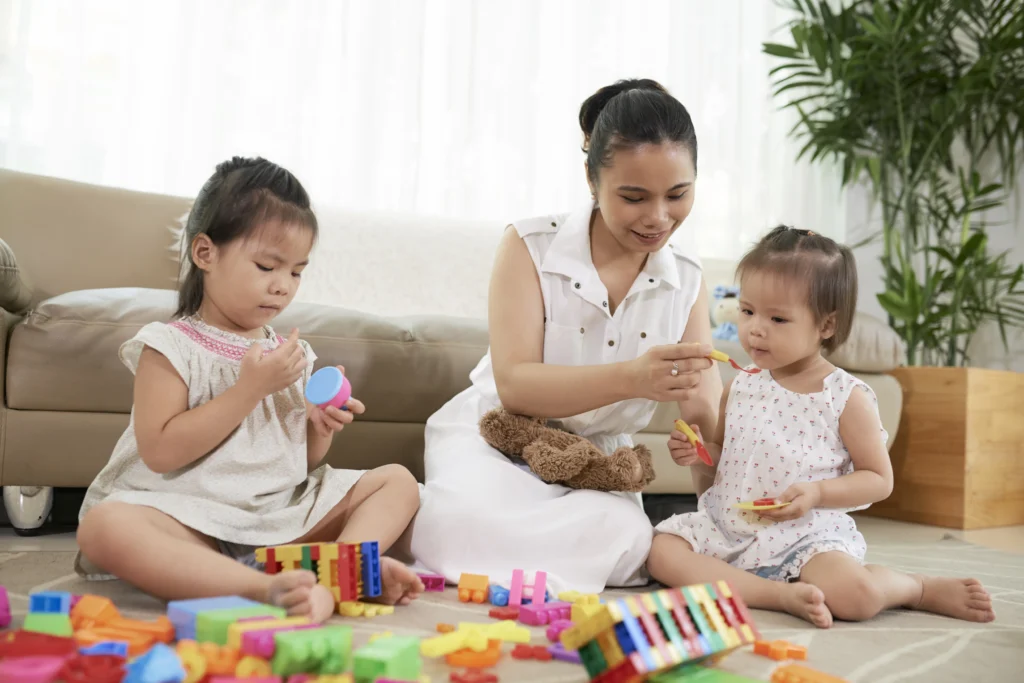
Encouraging Independence
A Super Nanny helps children develop age-appropriate independence.
Examples include:
- Cleaning up toys
- Making simple choices
- Completing tasks independently
- Developing responsibility
These skills build confidence over time.
Supporting Emotional Growth
Children experience frustration, disappointment, excitement, and anxiety every day.
A Super Nanny helps children understand and manage these emotions.
This support contributes to emotional resilience and self-awareness.
Creating Learning Opportunities
Learning happens throughout the day.
A Super Nanny incorporates learning into:
- Playtime
- Reading sessions
- Outdoor activities
- Everyday routines
Children often learn best when education feels natural and engaging.
Building Positive Social Skills
Social development is critical for long-term success.
A skilled nanny helps children learn:
- Cooperation
- Sharing
- Respect
- Empathy
- Communication
These lessons benefit children far beyond childhood.
Red Flags That Separate Average Nannies from Super Nannies
Families should watch for warning signs during interviews.
Potential concerns include:
- Lack of references
- Poor communication
- Limited childcare knowledge
- Resistance to feedback
- Inconsistent work history without explanation
- No interest in continuing education
Strong candidates can explain their approach to childcare clearly and confidently.
Questions Parents Should Ask When Hiring a Super Nanny
Tell Me About Your Childcare Philosophy
This question reveals how a nanny approaches discipline, learning, and daily routines.
How Do You Handle Challenging Behavior?
Listen for calm, developmentally appropriate responses.
How Do You Communicate With Parents?
Look for structured communication habits and transparency.
What Professional Training Have You Completed Recently?
A commitment to learning often indicates professionalism.
Can You Provide References?
Professional nannies should be able to provide references from previous employers.
How Do You Support Learning Through Play?
Strong candidates should have practical examples.
Are You Comfortable Traveling or Working Across Multiple Properties?
This question is particularly important for families with complex schedules or multiple residences.
Why Professional Development Matters
Many people assume years of experience automatically create expertise.
Experience matters, but professional development matters too.
The childcare industry continues to evolve as research provides new insights into child development and caregiver practices.
Nannies who participate in training programs often gain skills that improve:
- Safety practices
- Parent communication
- Developmental support
- Household coordination
- Professional confidence
Families increasingly recognize the value of trained childcare professionals.
The Long-Term Impact of a Super Nanny
A great nanny influences more than daily routines.
Children may spend thousands of hours with their caregivers during their early years.
Positive caregiving relationships can contribute to:
- Emotional security
- Strong communication skills
- Healthy routines
- School readiness
- Social development
For parents, the right nanny can reduce stress and create greater confidence in their childcare arrangements.
Frequently Asked Questions
What is a Super Nanny?
A Super Nanny is a highly skilled childcare professional who combines experience, training, communication skills, and child development knowledge to provide exceptional care.
Do Super Nannies Need Certifications?
Certification is not always required, but professional training demonstrates commitment to childcare standards and ongoing education.
How Much Experience Should a Super Nanny Have?
The ideal amount depends on your family’s needs. Experience should be combined with strong references, training, and professional communication skills.
What Qualifications Should Parents Verify?
Parents should verify CPR certification, First Aid training, references, background checks, and any childcare credentials claimed by the candidate.
Are Professional Nannies Worth the Investment?
Many families believe professional childcare is worth the investment because it provides personalized care, consistency, developmental support, and peace of mind.
How Can I Tell if a Nanny Is a Good Fit for My Family?
Look beyond qualifications. Evaluate communication style, childcare philosophy, personality fit, and the candidate’s ability to connect with your child.
Schedule a Consultation
Finding a Super Nanny requires more than reviewing resumes. The right candidate should align with your family’s values, communication style, and childcare goals.
A professional consultation can help you evaluate qualifications, identify strong candidates, and create a hiring process that leads to a successful long-term match.
Conclusion
A Super Nanny combines professional skills, training, experience, and personal qualities that help children thrive. Strong communication, child development knowledge, safety training, emotional intelligence, and professionalism all contribute to exceptional childcare.
Families who understand these qualities can make more informed hiring decisions and build stronger partnerships with their caregivers. When you focus on both qualifications and compatibility, you increase the chances of finding a childcare professional who supports your child’s growth and becomes a trusted part of your family’s daily life.