
Finding childcare is about more than availability and experience. Your child spends hours each day with their nanny. That relationship affects your child’s comfort, behavior, communication, and emotional development. When you find a nanny who matches your child’s personality, daily life feels calmer and more consistent for everyone.
Many parents focus only on schedules, certifications, and references during the hiring process. Those details matter, but personality fit matters too. A nanny who works well with one child may not work well with another. A quiet child may need a patient and gentle caregiver. An energetic child may respond better to a nanny who enjoys active routines and structured play.
This guide explains how to find a nanny who fits your child’s temperament, routines, and family values. You will also learn how to evaluate compatibility during interviews and trial days.
Why Personality Match Matters In Childcare
Children respond differently to caregivers based on communication style, emotional tone, and daily interaction patterns. According to research from the Harvard Center on the Developing Child, stable and responsive relationships support healthy emotional growth and reduce stress in children.
A strong nanny-child match can help your child:
- Feel emotionally safe
- Build trust faster
- Adjust to routines more easily
- Improve communication skills
- Handle transitions with less anxiety
- Develop stronger social confidence
A poor personality fit may create daily tension. Some children become withdrawn, while others become more reactive or resistant.
This is why families should look beyond resumes during the nanny search.
Understand Your Child’s Personality First
Before you find a nanny, take time to assess your child’s natural behavior patterns. Your child’s personality should guide your hiring decisions.
Observe How Your Child Responds To Adults
Ask yourself:
- Does your child warm up slowly to new people?
- Does your child prefer calm conversations or active interaction?
- Does your child enjoy structured activities?
- Does your child become overwhelmed in loud environments?
- Does your child need physical comfort often?
- Does your child enjoy independence?
Your answers help define the kind of caregiver your child needs.
Common Child Personality Types
Sensitive And Quiet Children
These children often need:
- Calm communication
- Gentle transitions
- Predictable routines
- Patience during emotional moments
A loud or highly energetic nanny may overwhelm them.
Active And Energetic Children
These children often do best with nannies who:
- Enjoy outdoor play
- Set clear boundaries
- Stay physically active
- Handle busy schedules well
A passive caregiver may struggle to maintain structure.
Independent Children
Independent children usually respond well to caregivers who:
- Respect autonomy
- Encourage problem-solving
- Avoid excessive hovering
- Offer choices
Social And Talkative Children
These children often connect with nannies who:
- Enjoy conversation
- Engage in creative activities
- Participate in games and storytelling
- Maintain high interaction levels
Define Your Family Values Before You Find A Nanny
Your child’s personality matters, but family culture matters too. A nanny becomes part of your household routine. Differences in communication or discipline styles can create confusion for children.
Before starting interviews, define your expectations around:
- Screen time
- Discipline methods
- Meal routines
- Sleep schedules
- Outdoor activities
- Educational priorities
- Social activities
- Travel expectations
- Household responsibilities
The International Nanny Association recommends clear communication about household expectations early in the hiring process. Families who outline routines clearly often experience smoother long-term placements.
Decide What Type Of Nanny Fits Your Household
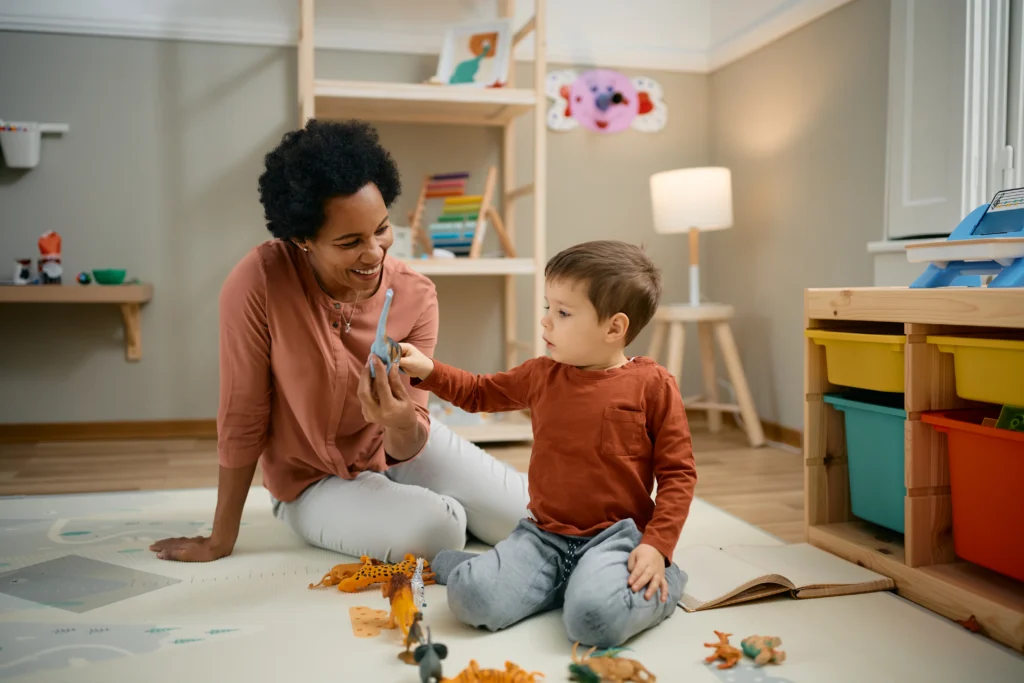
Different families need different caregiving styles.
Live-In Vs. Live-Out Nannies
A live-in nanny may work well for families with:
- Frequent travel
- Long work hours
- Multiple properties
- Complex schedules
A live-out nanny may suit families who prefer more privacy and routine separation.
Specialized Nannies
Some children benefit from caregivers with specific training, such as:
- Infant care
- Special needs support
- Therapy coordination
- Montessori education
- Newborn care
- Multi-language communication
If your child has developmental or behavioral needs, look for caregivers with experience supporting those areas.
Create A Detailed Job Description
Families often struggle to find a nanny because the job description is too vague.
A clear description helps attract candidates who fit your family culture.
Include:
- Child ages
- Schedule expectations
- Travel requirements
- Driving expectations
- Household duties
- Educational support needs
- Personality traits you value
- Preferred childcare style
- Communication expectations
Example Personality Requirements
Instead of writing:
“Looking for a caring nanny.”
Write:
“Looking for a calm, patient nanny who enjoys structured routines and supports shy children through gentle communication.”
Specific language improves candidate quality.
Look Beyond Experience During Screening
Years of experience matter, but compatibility matters more.
A nanny with ten years of childcare experience may still struggle with your child’s temperament.
During resume reviews, pay attention to:
- Long-term placements
- Consistent communication style
- Specialized childcare training
- Family references
- Experience with similar age groups
- Adaptability in complex households
The INA Salary and Benefits Survey shows that families increasingly prioritize communication skills and professionalism alongside childcare experience.
Questions To Ask During A Nanny Interview

The nanny interview helps you understand how a caregiver thinks, communicates, and responds under pressure.
Ask open-ended questions instead of simple yes-or-no questions.
Questions About Childcare Style
How Do You Handle Emotional Meltdowns?
Listen for answers focused on patience, emotional regulation, and consistency.
How Do You Build Trust With A New Child?
Strong candidates usually mention observation, gradual connection, and routine building.
What Activities Do You Enjoy With Children?
This reveals energy level and interaction style.
How Do You Handle Conflict Between Siblings?
Look for calm problem-solving and fair communication.
Questions About Flexibility
Are You Comfortable Traveling With Families?
High-net-worth households often require travel flexibility and schedule changes.
Have You Worked In Multi-Property Homes Before?
Families with multiple residences should ask about coordination experience and routine consistency.
Questions About Communication
How Do You Update Parents During The Day?
Professional nannies usually provide clear updates, observations, and behavioral notes.
How Do You Handle Disagreements With Parents?
Look for professionalism and emotional maturity.
Watch How The Nanny Interacts With Your Child
The interview alone does not reveal compatibility. Observation matters.
What To Watch During A Trial Session
Schedule a trial day or supervised interaction.
Observe:
- Eye contact
- Tone of voice
- Patience level
- Response to stress
- Body language
- Ability to redirect behavior
- Emotional warmth
- Respect for boundaries
Also watch your child’s reactions.
Some children connect immediately. Others take longer. Focus on whether the nanny responds appropriately to your child’s personality rather than forcing interaction.
Positive Signs During A Trial
- Your child appears relaxed
- The nanny follows your child’s pace
- Communication feels natural
- Boundaries stay consistent
- The nanny notices emotional cues
- Your child seeks interaction voluntarily
Red Flags Families Should Notice
Some candidates interview well but struggle in real caregiving environments.
Watch for these warning signs.
Poor Listening Skills
If a nanny interrupts often or ignores instructions during interviews, communication issues may continue after hiring.
Inconsistent Answers
Pay attention to timeline inconsistencies or unclear explanations about previous roles.
Negative Comments About Former Employers
Professional caregivers discuss past placements respectfully.
Overconfidence
Be cautious of candidates who claim they can “handle every child” without discussing individual needs.
Lack Of Emotional Awareness
Strong caregivers understand that children respond differently to routines, transitions, and stress.
Consider Your Child’s Age During The Search
Different developmental stages require different caregiver strengths.
Infants
Infants need caregivers who:
- Follow routines carefully
- Notice feeding and sleep patterns
- Stay calm under pressure
- Support attachment development
Toddlers
Toddlers usually need:
- Structure
- Patience
- Consistent discipline
- Active supervision
School-Age Children
Older children often benefit from nannies who:
- Encourage independence
- Support homework routines
- Communicate clearly
- Balance authority with trust
Teenagers
Families with teens may need caregivers who:
- Respect privacy
- Manage schedules
- Provide mentorship
- Communicate professionally
How Professional Training Helps Nannies Support Different Personalities
Professional childcare training matters because children have different emotional and developmental needs.
Organizations like the International Nanny Association and the US Nanny Association encourage continued education in areas such as:
- Child development
- Emotional regulation
- Communication skills
- Safety procedures
- Developmental milestones
- Behavioral guidance
Families increasingly prefer caregivers who continue professional education throughout their careers.
The Importance Of Communication Between Parents And Nannies
Even a strong nanny-child match requires ongoing communication.
Parents and caregivers should discuss:
- Behavioral changes
- Emotional concerns
- School updates
- Schedule changes
- Developmental milestones
- Household expectations
Consistent communication reduces confusion for children.
Some professional households also use structured reporting systems similar to SBAR communication methods used in healthcare settings. These methods improve clarity during schedule handoffs, travel coordination, and developmental discussions.
How Agencies Help Families Find A Nanny
Professional nanny agencies can simplify the search process, especially for busy households or families with complex schedules.
Quality agencies often:
- Verify credentials
- Run background checks
- Contact references
- Assess personality compatibility
- Screen communication skills
- Evaluate travel flexibility
Families should still conduct personal interviews even when using an agency.
Questions To Ask References
Reference checks provide valuable insight into real working relationships.
Ask former employers:
- How did the nanny handle stressful situations?
- How did the children respond emotionally to the nanny?
- Was communication consistent?
- Did the nanny follow routines well?
- Would you hire this nanny again?
- How did the nanny manage transitions and behavioral issues?
Detailed answers reveal more than generic praise.
Give The Adjustment Period Time
Even excellent nanny placements require adjustment.
Children may react differently during the first few weeks. Some become clingy, emotional, or resistant temporarily.
A healthy transition usually includes:
- Consistent routines
- Clear communication
- Gradual trust-building
- Patience from adults
- Predictable expectations
The first 30 to 90 days often determine long-term placement success.
How To Support A Strong Nanny-Child Relationship
Once you find a nanny who matches your child’s personality, support that relationship actively.
Create Consistent Routines
Children feel safer when routines stay predictable.
Avoid Micromanaging
Constant correction creates tension and confusion.
Communicate Clearly
Discuss concerns early instead of letting frustration build.
Respect Professional Boundaries
Professional caregivers work best when expectations stay respectful and realistic.
Include The Nanny In Relevant Conversations
Sharing developmental updates helps caregivers support your child consistently.
FAQs
How Long Does It Take To Find A Nanny?
Many families take four to eight weeks to complete the search, interviews, background checks, and trial period. Specialized positions may take longer.
Should Personality Matter More Than Experience?
Both matter. Experience helps with childcare skills, but personality compatibility affects daily interaction and emotional comfort.
What Is The Best Age To Introduce A Nanny?
Children of all ages can adjust to nanny care. Success depends more on consistency, communication, and relationship-building than age alone.
How Many Interviews Should Families Conduct?
Most families interview three to five candidates before making a final decision.
Are Trial Days Necessary?
Yes. Trial days help families observe real interaction between the nanny and child before making a long-term commitment.
What If My Child Does Not Connect Immediately?
Some children need extra time to build trust. Focus on gradual comfort and consistent interaction instead of instant attachment.
Should Families Prioritize Certifications?
Certifications show professional commitment and training. They should support, not replace, real childcare experience and compatibility.
How To Find A Nanny Who Matches Your Family’s Lifestyle?
Define your routines, values, and childcare needs before starting your search.
Should Families Use A Nanny Agency Or Search Independently?
Agencies offer screening support, while independent hiring provides more flexibility.
What Qualities Should Families Look For In A Nanny?
Look for experience, communication skills, patience, reliability, and personality fit.
Conclusion
When you find a nanny who matches your child’s personality, daily routines become smoother and more stable. Children feel safer when caregivers understand their emotional needs, communication style, and comfort level.
The best nanny placements happen when families look beyond resumes and focus on compatibility, communication, and consistency. Careful interviews, detailed trial days, and honest conversations help families make stronger hiring decisions.
Your child’s personality should guide every step of the search process. A thoughtful match creates better outcomes for children, parents, and caregivers alike.