
Choosing childcare is one of the biggest decisions parents make. Your choice affects your child’s routine, emotional comfort, learning environment, and daily schedule. Many families compare daycare and nanny care because both options offer different advantages.
Some children do well in group settings with structured activities and social interaction. Others perform better with one-on-one attention and flexible routines at home. There is no single answer that works for every family.
The right choice depends on your child’s personality, your schedule, your budget, and the level of support your household needs.
This guide explains the differences between daycare and nanny care, including costs, flexibility, child development, safety, and long-term family needs. If you are deciding between daycare vs nanny care, this article will help you make a more informed decision.
Understanding The Difference Between Daycare And Nanny Care
Before comparing benefits, it helps to understand how these childcare options work.
What Is Daycare?
Daycare is a childcare setting where trained caregivers supervise multiple children at once. Daycare centers usually follow fixed schedules that include meals, naps, learning activities, and playtime.
Children are grouped by age, and caregivers manage daily routines for several children at the same time.
What Is A Nanny?
A nanny provides childcare inside the family’s home. Nannies usually care for fewer children and often focus on personalized routines based on the child’s needs.
Some nannies work part-time, while others work full-time or live with the family. Professional nannies may also help with school schedules, travel, meal preparation, developmental support, and household routines.
Daycare Vs Nanny: Comparing Daily Structure
Daily structure affects how children adapt emotionally and behaviorally.
Daycare Structure
Most daycare centers follow strict schedules. This structure benefits children who thrive with consistency and group routines.
A daycare schedule may include:
- Group meals
- Nap times
- Learning sessions
- Outdoor play
- Music activities
- Social games
Children learn how to follow classroom-style routines early.
Nanny Structure
Nanny care offers more flexibility. Routines can adjust based on:
- Sleep changes
- School schedules
- Travel plans
- Illness
- Family events
- Developmental needs
This flexibility works well for families with changing schedules or children who struggle in busy group environments.
Social Development In Daycare Vs Nanny Care
Social interaction is one of the biggest differences between daycare and nanny care.
Social Benefits Of Daycare

Children in daycare spend time with peers every day. They learn:
- Sharing
- Group participation
- Conflict resolution
- Communication skills
- Classroom behavior
Research from Zero to Three shows that peer interaction can support social development, especially for toddlers and preschool-aged children.
Daycare may help outgoing children who enjoy group activities and social stimulation.
Social Benefits Of Nanny Care
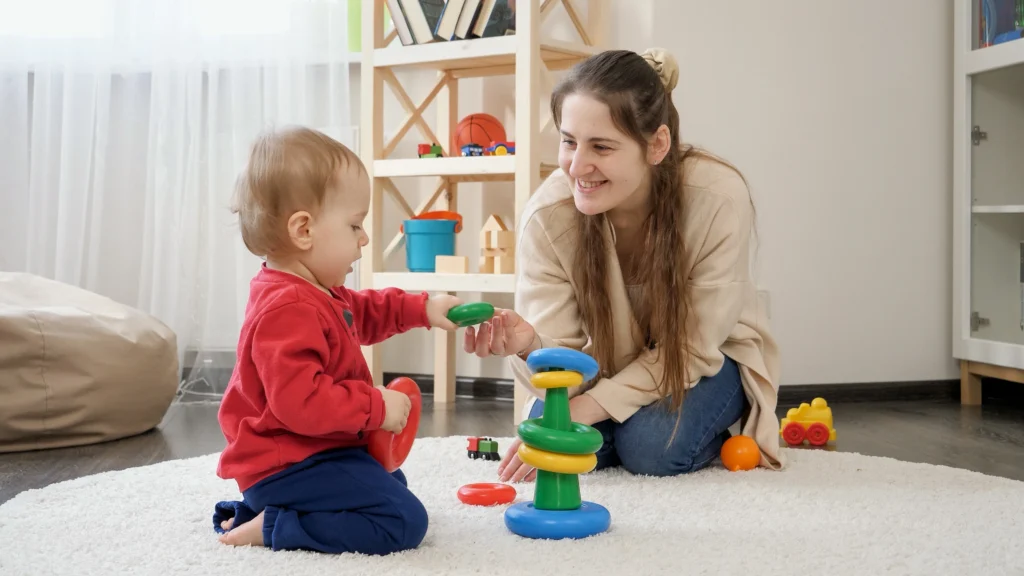
Nanny care offers one-on-one interaction. Children receive more personalized attention and emotional support throughout the day.
A nanny can:
- Adjust communication style
- Focus on emotional regulation
- Support shy children gradually
- Create individualized learning activities
Children still socialize through playdates, community programs, sports, and school activities.
Daycare Vs Nanny For Infants
Infants often require highly responsive care.
Benefits Of A Nanny For Infants
Many families prefer nanny care during infancy because babies need:
- Consistent attachment
- Flexible feeding schedules
- Individual attention
- Quiet sleep environments
- Reduced exposure to illness
A nanny can follow your baby’s natural routine more closely than a daycare setting.
Benefits Of Daycare For Infants
Some daycare centers offer infant programs with trained staff and structured developmental activities. High-quality infant programs may include:
- Sensory activities
- Tummy time support
- Feeding tracking
- Sleep monitoring
Parents should review caregiver-to-child ratios carefully before enrolling infants.
Flexibility Differences Between Daycare And Nanny Care
Schedule flexibility often determines which childcare option works best for working parents.
Daycare Scheduling
Most daycare centers operate during fixed hours. Families may face:
- Late pickup fees
- Holiday closures
- Waitlists
- Limited sick care options
Parents with traditional work schedules may find daycare manageable.
Nanny Scheduling
Nannies often provide greater flexibility.
A nanny may help with:
- Early mornings
- Evenings
- School pickups
- Travel schedules
- Weekend support
- Temporary schedule changes
Families with demanding work hours or multiple properties often prefer nanny care because routines stay more adaptable.
Illness Exposure In Daycare Vs Nanny Care
Illness exposure is another major concern for families with young children.
Daycare Illness Exposure
Children in daycare interact with many other children daily. This increases exposure to:
- Colds
- Flu viruses
- Stomach illnesses
- Ear infections
Frequent illness is common during the first year of daycare attendance.
Nanny Illness Exposure
Nanny care usually reduces exposure to large groups. Children who receive in-home care often experience fewer illnesses during infancy and toddlerhood.
This may benefit families with:
- Newborns
- Premature infants
- Children with medical conditions
- High-risk family members
Learning And Educational Support
Parents often compare educational quality when evaluating daycare vs nanny care.
Educational Benefits Of Daycare
Many daycare centers follow early childhood education programs. Activities may focus on:
- Numbers
- Letters
- Social interaction
- Art
- Motor skills
- Group learning
Children become familiar with classroom expectations before starting school.
Educational Benefits Of Nanny Care
Professional nannies can provide customized learning based on your child’s developmental stage.
Some nannies have training in:
- Montessori methods
- Language development
- Infant development
- Special education support
- Homework assistance
Children receive individualized attention instead of group instruction.
Personality Fit Matters
Your child’s personality should guide your childcare decision.
Children Who May Prefer Daycare
Daycare may work well for children who:
- Enjoy social settings
- Adapt quickly to change
- Like group activities
- Seek constant stimulation
Children Who May Prefer Nanny Care
Nanny care may benefit children who:
- Feel overwhelmed in large groups
- Need quieter environments
- Require individualized attention
- Have anxiety around transitions
- Need consistent routines
The Harvard Center on the Developing Child emphasizes the importance of stable and responsive caregiving relationships during early childhood development.
Daycare Vs Nanny Cost Comparison
Cost is one of the biggest factors families consider.
Daycare Costs
Daycare generally costs less than hiring a private nanny, especially for one child.
However, costs vary based on:
- Location
- Child age
- Program quality
- Full-time or part-time enrollment
Families with multiple children may face higher combined daycare costs.
Nanny Costs
Nanny care often costs more because families pay for personalized childcare and schedule flexibility.
Additional nanny-related costs may include:
- Payroll taxes
- Paid time off
- Overtime pay
- Health stipends
- Travel expenses
The INA Salary and Benefits Survey reports that experienced and professionally trained nannies earn higher compensation due to specialized childcare skills and household responsibilities.
Safety Considerations
Safety standards matter in every childcare environment.
Daycare Safety
Licensed daycare centers usually follow state regulations regarding:
- Staff ratios
- Emergency plans
- Background checks
- Health standards
- Facility inspections
Parents should still ask questions about supervision policies and staff turnover.
Nanny Safety
When hiring a nanny, families are responsible for screening and verification.
Parents should conduct:
- Background checks
- Reference checks
- CPR verification
- Driving record reviews
- Trial days
Professional agencies often help families complete these steps properly.
Communication Differences
Communication quality affects long-term childcare success.
Daycare Communication
Daycare updates may include:
- Daily reports
- App notifications
- Teacher conferences
- Activity summaries
Because caregivers supervise multiple children, communication may feel less personalized.
Nanny Communication
Nannies usually provide more detailed updates about:
- Meals
- Sleep patterns
- Emotional behavior
- Developmental milestones
- Daily routines
Professional nannies often use structured communication systems to keep parents informed consistently.
Daycare Vs Nanny For High-Net-Worth Families
High-net-worth families often require childcare beyond standard daytime supervision.
Nannies may support:
- Multi-property coordination
- International travel
- Household routines
- Therapy integration
- Educational planning
- Event scheduling
Families with demanding schedules often value personalized support and household consistency.
The Domestic Estate Management Association highlights the importance of coordination and communication in private household staffing environments.
What To Ask Before Choosing Childcare

Before making a decision, ask yourself practical questions.
Questions About Your Child
- Does your child enjoy groups or quieter environments?
- Does your child adapt easily to change?
- Does your child need individualized attention?
- How does your child respond to stimulation?
Questions About Your Schedule
- Do you work long or irregular hours?
- Do you travel frequently?
- Do you need evening or weekend support?
- Do you need backup flexibility?
Questions About Your Budget
- What monthly childcare costs fit your household budget?
- Are you prepared for payroll responsibilities?
- Will you need additional childcare support later?
Signs Your Childcare Choice Is Working
Whether you choose daycare or nanny care, look for signs that your child feels emotionally secure.
Positive signs include:
- Stable mood
- Healthy attachment
- Consistent eating and sleeping
- Willingness to participate in activities
- Reduced separation anxiety
- Comfortable communication
Children may need several weeks to adjust to new routines.
Common Mistakes Parents Make
Choosing Based Only On Cost
Lower cost does not always mean better long-term fit.
Ignoring Personality Compatibility
A childcare environment should match your child’s emotional needs.
Rushing The Decision
Families should observe daycare settings carefully and conduct detailed nanny interviews.
Failing To Review Policies
Understand contracts, payment expectations, vacation schedules, and emergency procedures before committing.
Can Families Combine Daycare And Nanny Care?
Yes. Some families combine both childcare options.
Examples include:
- Daycare during weekdays and nanny support during evenings
- Part-time nanny care for infants
- Nanny care during travel periods
- After-school nanny support
Hybrid childcare arrangements can provide flexibility for complex schedules.
Frequently Asked Questions
Is Daycare Better Than A Nanny?
Neither option is automatically better. The best choice depends on your child’s personality, schedule needs, and family priorities.
Do Children Socialize Better In Daycare?
Daycare offers daily peer interaction, which supports social development. Children with nannies can also socialize through activities, school programs, and community events.
Is A Nanny More Expensive Than Daycare?
In most cases, nanny care costs more than daycare because it provides personalized care and flexible scheduling.
Which Option Is Better For Infants?
Many families prefer nanny care for infants because babies receive more one-on-one attention and reduced exposure to illness.
Can A Nanny Help With Household Tasks?
Some nannies assist with child-related household tasks such as laundry, meal preparation, and organizing play areas.
What Should Parents Prioritize Most?
Parents should prioritize safety, communication, emotional compatibility, and consistency when choosing childcare.
How do I prepare my child for a new childcare arrangement?
Start gradually, maintain routines, and communicate positively.
Can childcare choices affect a child’s behavior?
Yes, the environment can influence emotional and social development.
Should siblings attend the same childcare setting?
It depends on their ages, personalities, and individual needs.
How often should parents review their childcare decision?
Review regularly as your child’s needs and family schedule change.
Conclusion
The daycare vs nanny decision depends on your child’s needs, your household schedule, and the type of support your family values most.
Daycare offers structure, peer interaction, and classroom-style learning. Nanny care provides flexibility, personalized attention, and consistency inside the home.
Children thrive when caregivers understand their routines, communication style, and emotional needs. A childcare arrangement that works well for one family may not work for another.
Take time to observe your child’s behavior, review your daily routines, and evaluate long-term household needs before making a final decision.